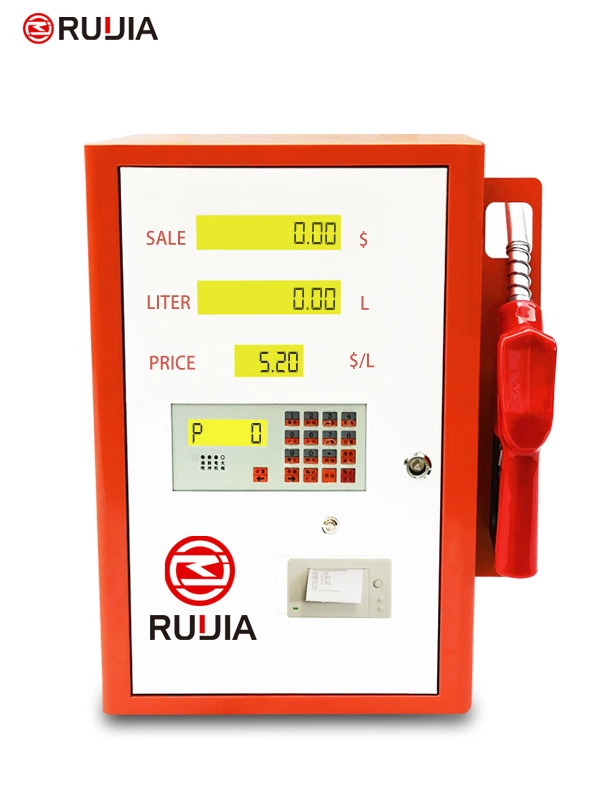
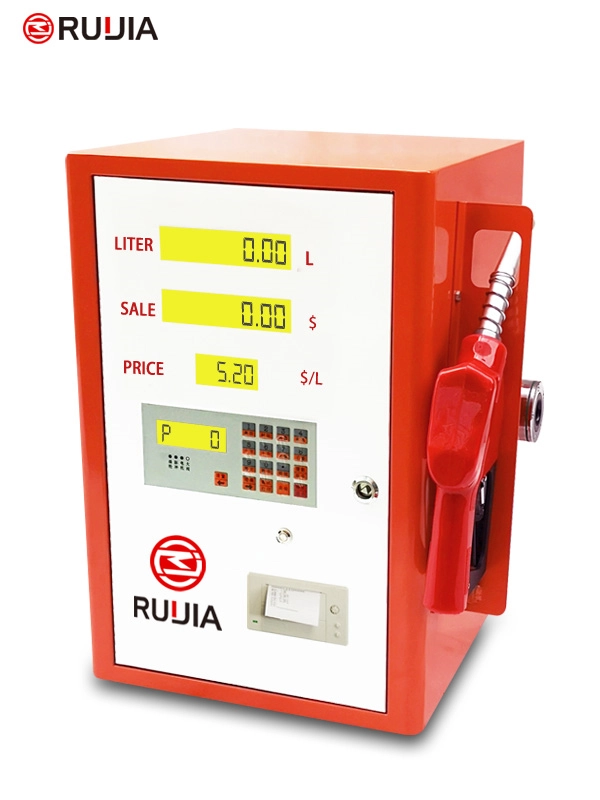
Portable Fuel Dispenser
Product Details
Product Details
Product Parameter
- Product Name
- RJ55B Fuel Dispenser
- Brand Name
- Ruijia
- Product Size
- 400X380X550mm
- Flow Rate
- 5~80L/min
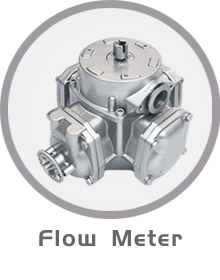
- Flow Meter
- 4- piston Flow Meter
- Pump
- Vane Pump
- Lcd Display
- 886 or 664
- Temperature
- -25°C~ +55°C
- Pressure
- 0.3MPa
- Accuracy
- ±0.3%
- Voltage
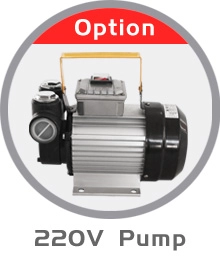
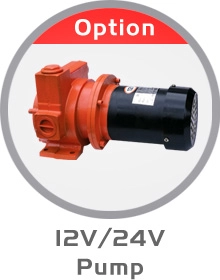
- AC220V,DC12V,DC24V
- Suction Distance
- 6m(vertical), 20m(horizontal)
- Power
- 550W
- Medium
- Gasoline, Diesel, Kerosene
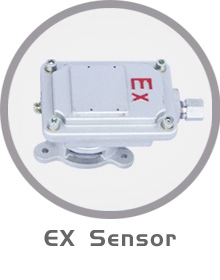
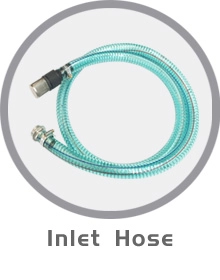
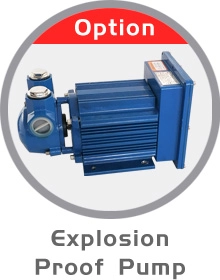
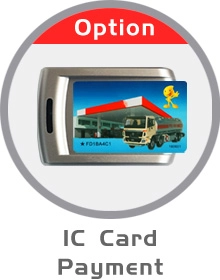
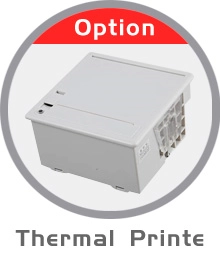
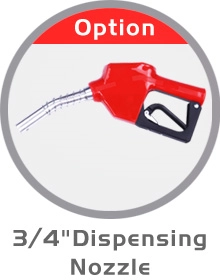
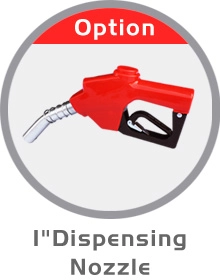
Product Configuration
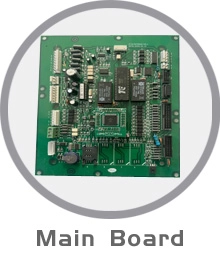
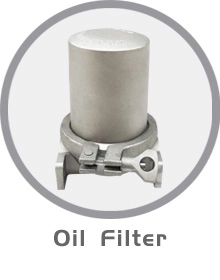
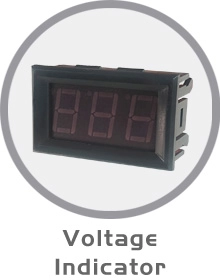
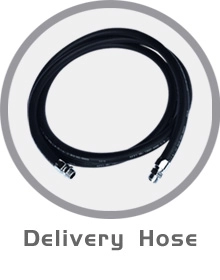
Our Certification

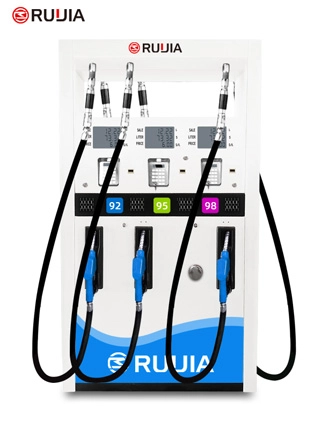
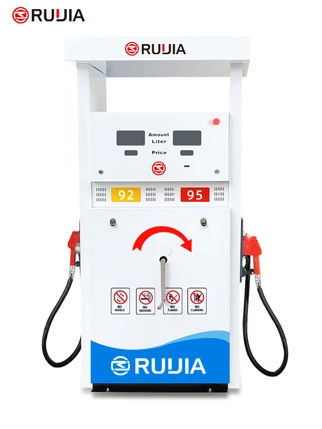
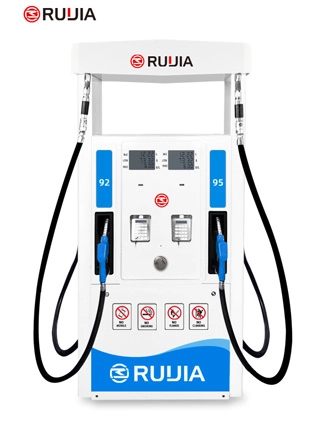
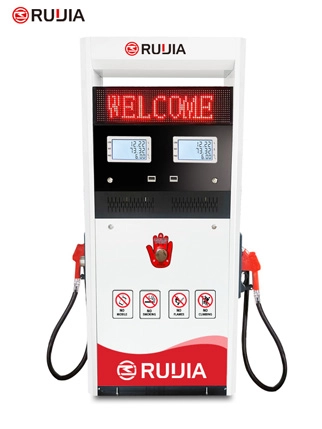
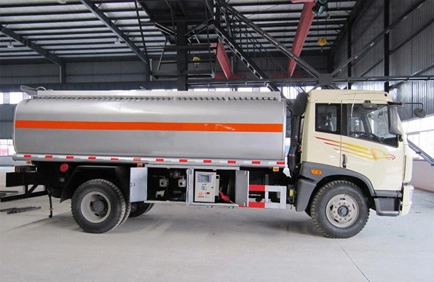
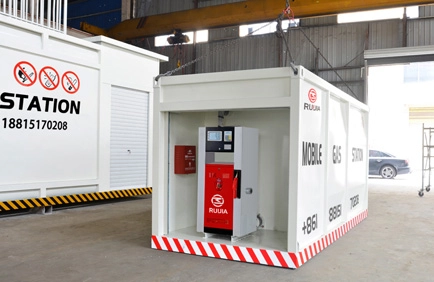
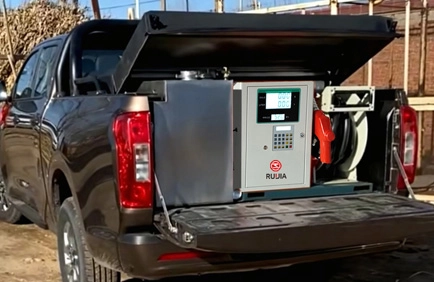
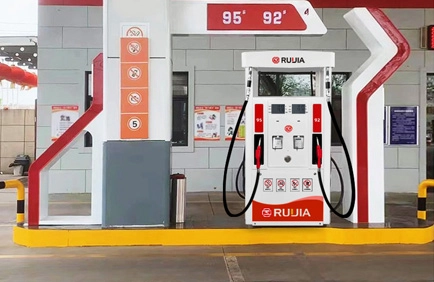
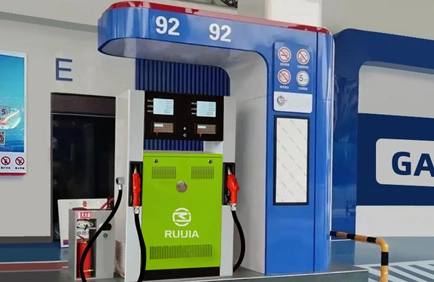
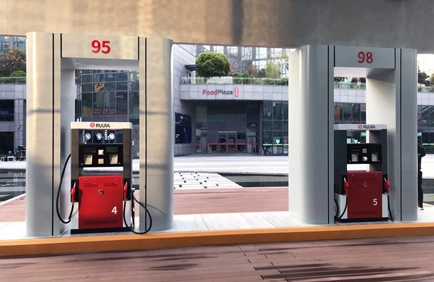
Ruijia fuel dispensers are used in various scenarios, including gas stations, mobile gas stations, vehicle mounted gas stations. Our products are sold to over 30+ countries.
What is a Portable Fuel Dispenser?
Ever found yourself in a remote corner of a farm, a bustling construction site, or a secluded fleet depot, desperately in need of fuel but miles away from the nearest gas station? Panic starts to set in as you realize your machinery or vehicles are on the verge of running dry. Then, like a knight in shining armor, a compact yet sturdy device rolls in – the portable fuel dispenser. But what exactly is this unassuming savior that has become a game - changer for countless industries and individuals? Is it merely a small - scale imitation of its stationary counterparts, or does it possess a unique set of features that make it a force to be reckoned with? Prepare to be captivated as we unlock the secrets of the portable fuel dispenser!
At first glance, a portable fuel dispenser might seem like a humble, wheeled cart with a tank and a hose attached. Its unpretentious exterior could easily lead one to underestimate its capabilities. But make no mistake – this seemingly simple device is a masterpiece of engineering, a Swiss Army knife in the world of fueling. Picture it as a compact yet mighty warrior, ready to take on the most challenging fueling tasks, whether it's refueling a lawnmower in a suburban backyard or keeping a fleet of heavy - duty trucks running on a remote construction site. It's a product born out of necessity, a solution to the age - old problem of accessing fuel in places where traditional fueling infrastructure falls short.
The very essence of a portable fuel dispenser lies in its name: portability combined with the ability to dispense fuel. But this straightforward definition masks a complex web of technology and functionality. Imagine a scenario where a group of adventurers is exploring the wilderness in their off - road vehicles. Suddenly, they realize they're running low on fuel, and there's not a gas station in sight. Enter the portable fuel dispenser, a self - contained unit that can be easily transported in the back of a vehicle. With just a few simple steps, it can be set up and used to refill the tanks, allowing the adventurers to continue their journey without a hitch. It's not just about convenience; it's about enabling mobility and exploration in areas where fuel availability was once a major obstacle.
Let's start peeling back the layers and exploring the inner workings of this remarkable device. At the core of every portable fuel dispenser is the pumping mechanism, the beating heart that drives the entire operation. These pumps are not your average, run - of - the - mill models. They are carefully selected and engineered to deliver a consistent and reliable flow of fuel, despite the device's compact size. Many portable fuel dispensers feature electric pumps, which offer the advantage of quiet operation and ease of use. These pumps are powered by batteries or can be connected to an external power source, providing flexibility in various settings. It's like having a miniature powerhouse, compact enough to fit in a small space but powerful enough to get the job done.
Connected to the pump are the hoses, the lifelines that carry the precious fuel from the dispenser to the vehicle or equipment. These hoses are no ordinary tubes. Crafted from high - quality, fuel - resistant materials, they are designed to withstand the rigors of daily use, the corrosive nature of fuels, and the mechanical stress of being constantly bent and maneuvered. Some hoses come with reinforced layers, adding an extra level of durability and protection against leaks and abrasions. And at the end of these hoses, the nozzles await. These nozzles are precision - engineered marvels, equipped with automatic shut - off valves. The moment the tank reaches its capacity, these valves spring into action, cutting off the fuel flow instantly. It's a split - second operation that ensures safety and accuracy, preventing messy overflows and potential hazards.
But a portable fuel dispenser is not just about pumping and dispensing fuel. Accuracy in measurement is crucial, and that's where the metering system comes into play. Depending on the model and its intended use, portable fuel dispensers can be equipped with different types of metering technologies. Some feature mechanical meters, which work on the principle of counting the number of rotations of a gear or piston to measure the volume of fuel dispensed. Others utilize electronic metering systems, which offer higher precision and the ability to display real - time data on a digital screen. These systems can show the volume of fuel dispensed, the price per unit, and the total cost, providing users with valuable information and ensuring fair billing. It's like having a personal accountant built right into the dispenser, keeping track of every drop of fuel.
One of the most significant advantages of a portable fuel dispenser is its mobility. As the name suggests, these devices are designed to be easily moved from one location to another. Many come with wheels or casters, allowing them to be rolled across different surfaces, from smooth concrete floors to rough gravel paths. Some are lightweight enough to be carried by hand, making them ideal for small - scale applications or for use in areas where access is limited. This mobility opens up a world of possibilities. It means that fuel can be brought directly to the point of use, eliminating the need for vehicles and equipment to travel long distances to refuel. In a construction site, for example, a portable fuel dispenser can be moved from one piece of machinery to another, saving time and increasing productivity.
Safety is always a top priority, especially when dealing with fuel. Portable fuel dispensers are equipped with a range of safety features to minimize the risk of accidents and ensure user protection. Grounding systems are often included to prevent static electricity build - up, which could potentially ignite fuel vapors. Overfill prevention devices, in addition to the automatic shut - off valves in the nozzles, add an extra layer of security. Some models also come with spill containment trays or features to catch any accidental spills, preventing environmental contamination. And for added peace of mind, emergency stop buttons are strategically placed, allowing users to quickly halt the fueling process in case of any unexpected situations. It's a comprehensive safety package that gives users the confidence to use the device in various environments.
Maintenance of portable fuel dispensers is essential to ensure their long - term reliability and performance. Despite their rugged design, these devices are still subject to wear and tear over time. Regular inspections are necessary to check for any signs of damage or malfunction. Hoses should be examined for cracks, leaks, or signs of aging, and replaced if necessary. The nozzles need to be kept clean to ensure proper fuel flow and accurate metering. The pump and its associated electrical components should also be serviced regularly to prevent breakdowns. And of course, the fuel tank should be kept clean and free from contaminants to maintain the quality of the fuel. It's a routine that, when followed diligently, can extend the lifespan of the portable fuel dispenser and keep it running smoothly for years to come.
The applications of portable fuel dispensers are as diverse as the industries they serve. In the agricultural sector, farmers rely on these devices to fuel their tractors, combines, and other farm equipment. Instead of making multiple trips to the gas station, they can store fuel on - farm and use the portable dispenser to refuel at their convenience, saving time and increasing efficiency. In the construction industry, portable fuel dispensers are a godsend, keeping excavators, bulldozers, and other heavy machinery fueled and operational on - site. This reduces downtime and helps projects stay on schedule. Fleet management companies also find these dispensers invaluable, as they can be used to fuel vehicles at the fleet yard, eliminating the need for costly trips to public gas stations. And in the recreational vehicle (RV) community, portable fuel dispensers are popular for refueling generators and other onboard equipment, allowing travelers to enjoy the freedom of the open road without worrying about running out of fuel.
Looking to the future, the portable fuel dispenser is set to undergo even more exciting transformations. With the rapid advancement of technology, we can expect to see more intelligent and connected features integrated into these devices. Imagine a portable fuel dispenser that can be controlled via a smartphone app, allowing users to monitor fuel levels, start and stop the fueling process, and receive alerts when maintenance is due. Or one that uses artificial intelligence to optimize the fueling process based on the type of vehicle or equipment being refueled. Additionally, as the world moves towards more sustainable energy sources, there may be a push to develop portable fuel dispensers that can handle alternative fuels such as biofuels or hydrogen. It's an exciting time for the portable fuel dispenser industry, as these devices continue to evolve and adapt to meet the changing needs of the modern world.
In conclusion, the portable fuel dispenser is a true marvel of modern engineering. It's a compact yet powerful device that combines portability, functionality, and safety to provide a convenient and reliable fueling solution. From its pumping mechanism and metering system to its mobility and safety features, every aspect of the portable fuel dispenser is designed with the user in mind. Whether you're a farmer in the countryside, a construction worker on a remote site, or an adventurer exploring the great outdoors, this device has the potential to make your life easier and more efficient. As we look ahead, there's no doubt that the portable fuel dispenser will continue to play a crucial role in shaping the future of fueling, offering new and innovative solutions to meet the ever - changing demands of various industries and individuals. So, the next time you come across a portable fuel dispenser, take a moment to appreciate the engineering genius behind it – a small device with a big impact on our lives.