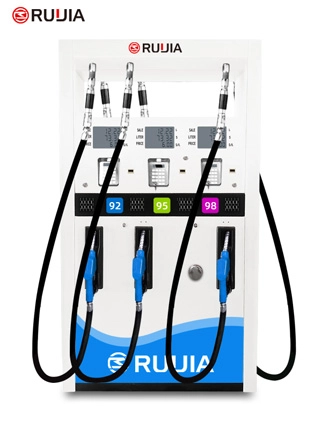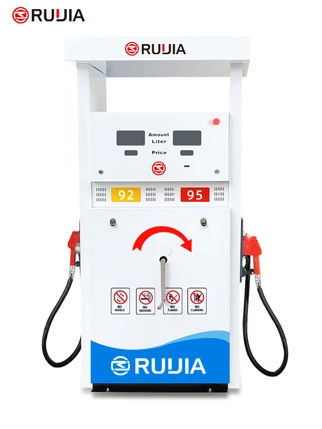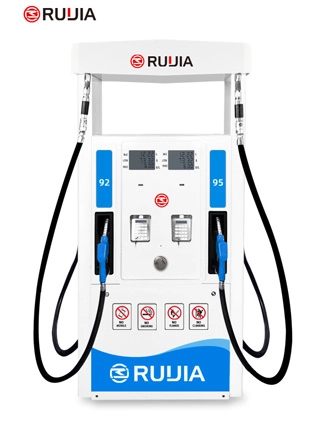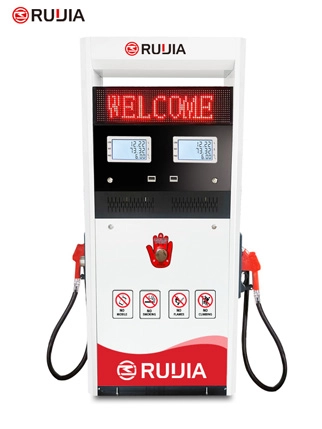
Mobile Fuel Dispenser
Product Details
Product Details
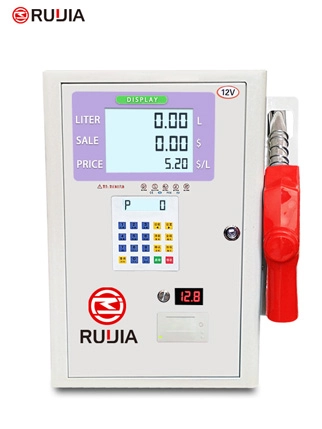
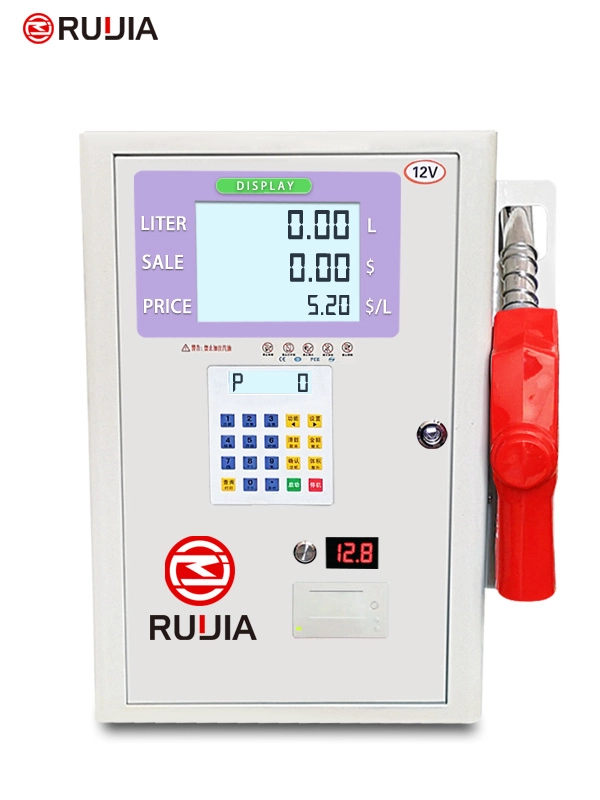
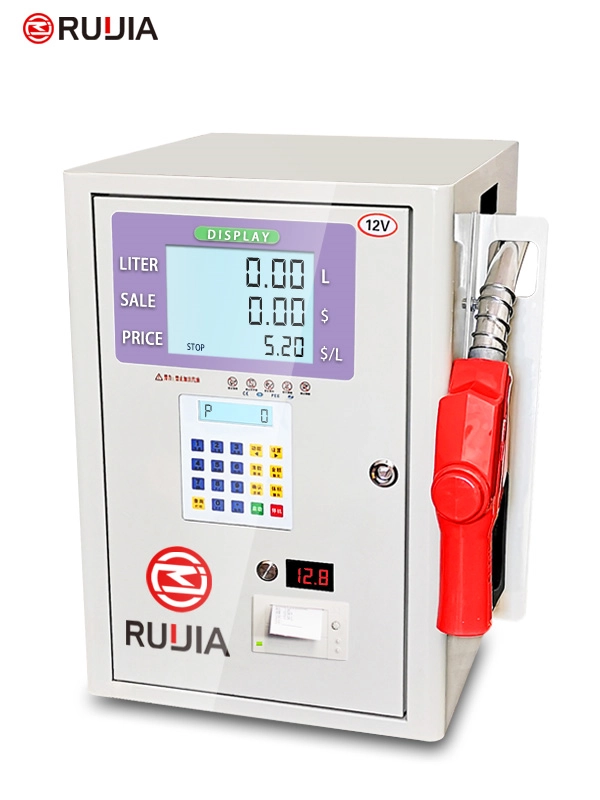
Product Parameter
- Product Name
- RJ55X Fuel Dispenser
- Brand Name
- Ruijia
- Product Size
- 400X380X550mm
- Flow Rate
- 5~80L/min
- Flow Meter
- 4- piston Flow Meter
- Pump
- Vane Pump
- Lcd Display
- 886 or 664
- Temperature
- -25°C~ +55°C
- Pressure
- 0.3MPa
- Accuracy
- ±0.3%
- Voltage
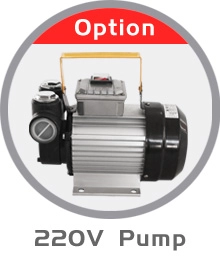
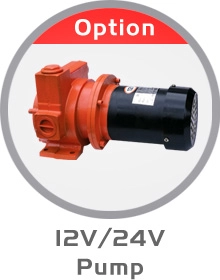
- AC220V,DC12V,DC24V
- Suction Distance
- 6m(vertical), 20m(horizontal)
- Power
- 550W
- Medium
- Gasoline, Diesel, Kerosene
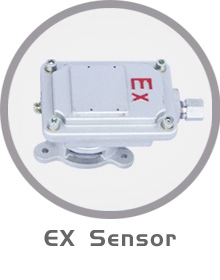
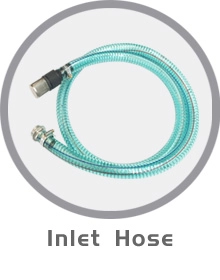
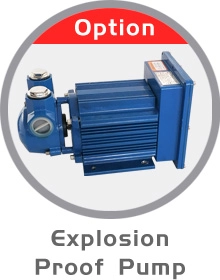
Product Configuration
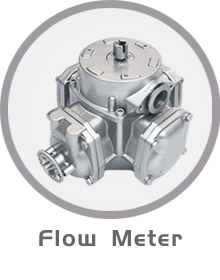
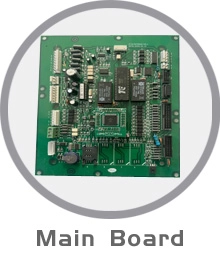
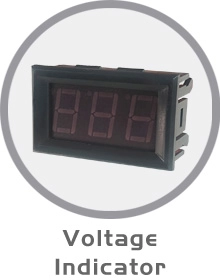
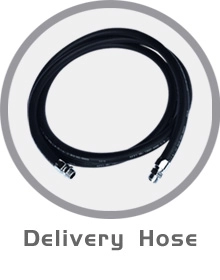
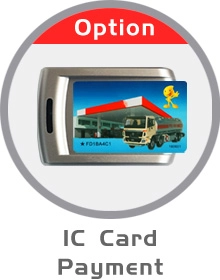
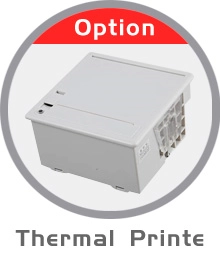
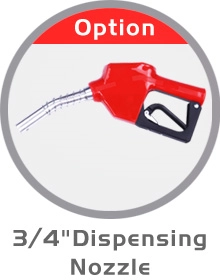
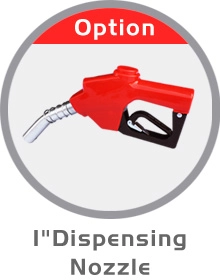
Our Certification

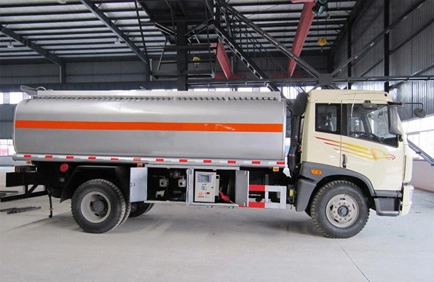
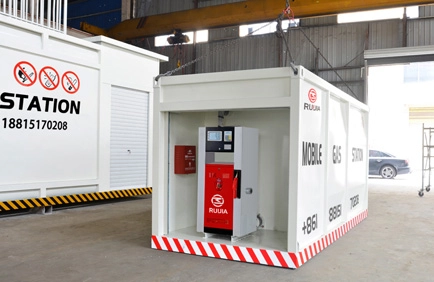
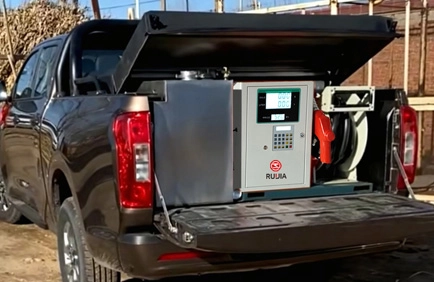
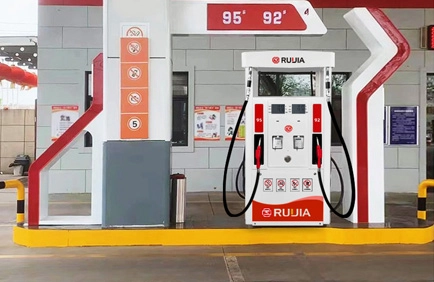
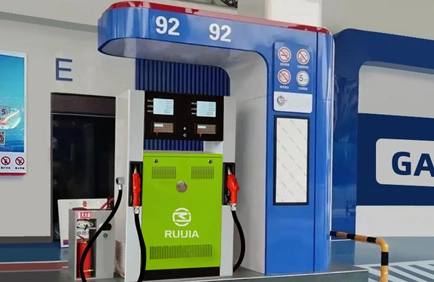
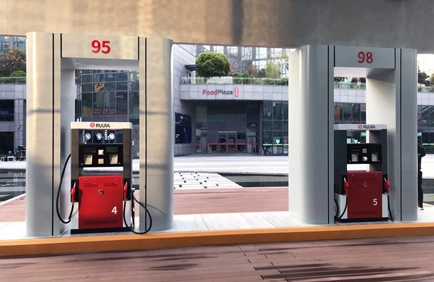
Ruijia fuel dispensers are used in various scenarios, including gas stations, mobile gas stations, vehicle mounted gas stations. Our products are sold to over 30+ countries.
What is a Mobile Fuel Dispenser?
Ever witnessed a colossal tanker truck glide into a construction site, or a sleek, specialized vehicle roll up to a remote fleet yard, and wondered what sorcery was at play? Behold the mobile fuel dispenser – not just another vehicle on the road, but a veritable titan in the fueling domain. Is it merely a portable container with a pump slapped on, or does it harbor a universe of cutting - edge technology and unparalleled functionality? Prepare to have your perceptions shattered as we embark on an exhilarating journey into the world of these mobile fuel - dispensing marvels!
At first sight, a mobile fuel dispenser might seem like an oversized, unassuming vehicle. But looks can be deceiving! This isn't a run - of - the - mill truck; it's a fortress on wheels, a meticulously crafted behemoth engineered to tackle the most arduous fueling challenges. Picture it as a roving fuel - dispensing fortress, traversing the length and breadth of the land, ready to unleash a torrent of fuel with surgical precision wherever and whenever it's needed. Born out of the pressing need to overcome the limitations of traditional fixed - site fueling, the mobile fuel dispenser has emerged as a game - changer, revolutionizing the way industries and individuals fuel their vehicles and equipment.
The very essence of a mobile fuel dispenser lies in its name: mobility fused with the ability to dispense fuel. But this simple definition belies the complexity of its design and operation. Imagine a scenario where a fleet of delivery trucks is stranded in the middle of a vast desert, miles away from the nearest gas station. Or a large - scale event where hundreds of generators need to be fueled round the clock. In such situations, the mobile fuel dispenser swoops in like a knight in shining armor, a self - sufficient fueling solution that can reach the most inaccessible corners and get the job done with remarkable efficiency. It's not just about transporting fuel; it's about delivering a complete fueling experience on the move.
Let's delve into the inner workings of this mechanical marvel, starting with its beating heart – the pumping system. Unlike the stationary fuel dispensers you'd find at a gas station, the pumps in a mobile fuel dispenser are a breed apart. These are high - performance, heavy - duty pumps, often powered by robust diesel engines or advanced electric motors. They're like the engines of a Formula 1 race car, compact yet incredibly powerful, designed to generate the immense pressure required to push fuel through long hoses and into the tanks of various vehicles and machinery. Whether it's refueling a small lawnmower or a massive mining truck, these pumps adapt with ease, ensuring a steady and consistent flow of fuel, even under the most demanding conditions.
Attached to the pumping system are the hoses, the lifelines of the mobile fuel dispenser. These aren't your average garden hoses! Crafted from a blend of high - strength, fuel - resistant polymers and reinforced with layers of synthetic fibers or metal braiding, they're designed to withstand the rigors of constant use, extreme temperatures, and mechanical stress. Some hoses are equipped with quick - connect fittings, allowing for rapid attachment and detachment, while others feature self - retracting mechanisms for easy storage and management. And at the end of these hoses, the nozzles stand guard. Precision - engineered with state - of - the - art automatic shut - off valves, these nozzles are the guardians of safety and accuracy. The moment a tank reaches its capacity, these valves snap shut, preventing messy overflows and ensuring that every drop of fuel is accounted for. It's a split - second operation that showcases the dispenser's commitment to excellence.
But a mobile fuel dispenser is much more than just a pump and a hose. Accuracy in fuel measurement is of paramount importance, and that's where the metering system comes into play. These dispensers are equipped with highly sophisticated metering devices, ranging from positive displacement meters to turbine flow meters, and even advanced digital sensors. Positive displacement meters work like a series of tiny chambers, trapping and transferring fixed volumes of fuel with each cycle, ensuring precise measurement. Turbine flow meters, on the other hand, utilize the flow of fuel to spin a turbine, and sensors detect the rotational speed to calculate the volume dispensed. Some modern mobile fuel dispensers even feature integrated computer systems that can display real - time fuel consumption data, track inventory levels, and generate detailed reports. It's a technological tour de force, providing users with invaluable insights into their fuel usage.
One of the most distinctive features of a mobile fuel dispenser is, of course, its mobility. These vehicles are designed to be highly maneuverable, capable of navigating through narrow alleys, rough terrains, and busy construction sites. Many come with specialized tires and suspension systems that can handle the weight of the fuel and the rigors of off - road driving. Some are even equipped with advanced navigation and tracking systems, allowing operators to plan the most efficient routes and monitor the dispenser's location in real - time. It's like having a fueling station that can be driven right to your doorstep, eliminating the need for costly and time - consuming trips to a fixed fueling location.
Safety is non - negotiable when it comes to mobile fuel dispensers, and manufacturers spare no expense in ensuring these vehicles are equipped with top - notch safety features. Given that fuel is a highly combustible substance, any oversight could lead to catastrophic consequences. To mitigate risks, mobile fuel dispensers are fitted with grounding systems to prevent static electricity build - up, which could potentially ignite fuel vapors. They also feature overfill prevention devices, emergency shut - off valves, and spill containment systems. Some models even come with advanced fire suppression systems and leak detection sensors, providing an extra layer of protection. And for added security, many mobile fuel dispensers are equipped with anti - theft measures, such as locking fuel caps and GPS tracking devices. It's a comprehensive safety net that gives users peace of mind, knowing that their fueling operations are in safe hands.
Maintenance of mobile fuel dispensers is a critical aspect of ensuring their reliable performance and longevity. These vehicles are constantly on the move, exposed to a variety of harsh conditions, so regular upkeep is essential. Technicians need to perform routine inspections of the pumping system, hoses, nozzles, and metering devices, checking for signs of wear and tear, leaks, or malfunctions. The fuel tank also requires periodic cleaning and maintenance to prevent contamination and ensure the quality of the fuel. And of course, the vehicle's engine, transmission, and other mechanical components need to be serviced regularly to keep the dispenser running smoothly. It's a meticulous process, but one that's crucial for keeping these mobile fueling giants in peak condition.
The applications of mobile fuel dispensers are as diverse as they are extensive. In the construction industry, they're a godsend, keeping excavators, bulldozers, cranes, and other heavy machinery fueled and operational on - site, reducing downtime and increasing productivity. Fleet management companies rely on them to fuel their trucks, buses, and vans at their own yards or at remote locations, giving them greater control over fuel costs and consumption. In the agricultural sector, mobile fuel dispensers are used to refuel tractors, combines, and other farm equipment, saving farmers valuable time and resources. They're also invaluable in the event of natural disasters, providing emergency fuel to hospitals, emergency response vehicles, and critical infrastructure. And in the marine industry, some specialized mobile fuel dispensers are used to refuel boats and yachts at marinas or even on the open water.
Looking to the future, the mobile fuel dispenser is set to undergo a wave of exciting advancements. With the rapid development of technology, we can expect to see more intelligent and autonomous features integrated into these vehicles. Imagine a mobile fuel dispenser that can be remotely controlled via a smartphone app, allowing operators to start and stop the fueling process, monitor fuel levels, and receive real - time alerts. Or one that uses artificial intelligence and machine learning algorithms to optimize fuel delivery routes, predict maintenance needs, and even anticipate customer demand. Additionally, as the world shifts towards more sustainable energy sources, there may be a push to develop mobile fuel dispensers that can handle alternative fuels such as hydrogen, biofuels, or electricity. It's an exciting time for the mobile fuel dispenser industry, as these vehicles continue to evolve and adapt to meet the changing needs of the modern world.
In conclusion, the mobile fuel dispenser is a remarkable piece of engineering, a true testament to human ingenuity and innovation. From its powerful pumping system and accurate metering devices to its exceptional mobility and robust safety features, every aspect of this vehicle is designed to provide a seamless and efficient fueling experience. It's not just a means of transporting fuel; it's a vital part of the modern infrastructure, keeping industries running, communities connected, and vehicles moving. As we look ahead, there's no doubt that the mobile fuel dispenser will continue to play a crucial role in shaping the future of fueling. So, the next time you see one of these mobile marvels on the road, take a moment to appreciate the engineering feat that it represents – a symbol of progress and a key player in the ever - evolving world of energy distribution.